For speaking engagements, advance copies, or further information, please contact us at:

We're built to be busy.
Despite the popular narrative of overwork and burnout, today’s time deficit actually activates the restorative mechanisms at our evolutionary core, like deep focus, creative wandering, and restorative idleness. With a nod to our natural tendency to form routines, for example, Time Famine explains how automating tasks enables us to do things “without thinking” and, seemingly, “make” more time. The book goes on to examine how, just as the markets of Marrakech are a melting pot that spawn discourse and fresh ideas, so too does “doing ten things at once.” We may be uncomfortable with the pandemonium, even fear it, but the chaos can spark new insight. In short, feeling too busy is not a bug, it’s a feature. But as with any human system, that feature has quirks, glitches and landmines.
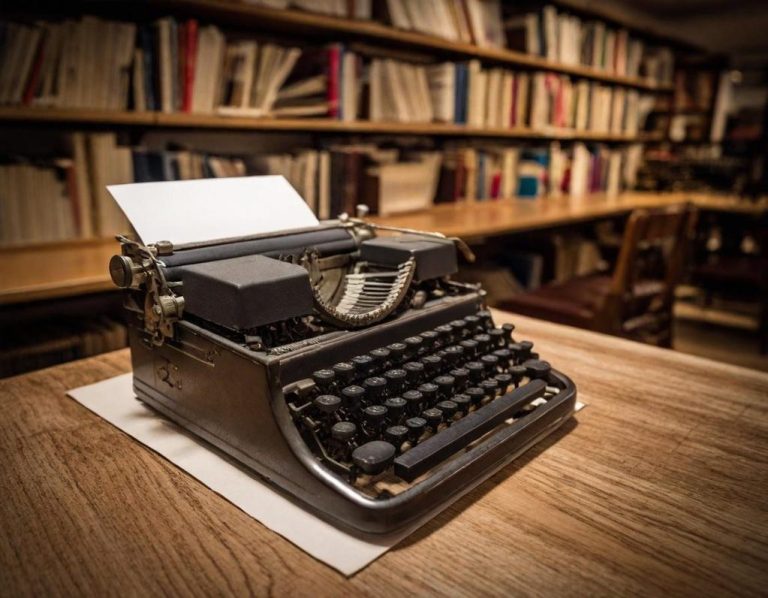
The way we visualize time can impact our experience.
Is time “flying” or “crawling,” “slipping away” or “dragging on?” Does language impact how we think? Does it really have that much power? The way we describe and visualize time might ultimately influence our experience of time itself. The forthcoming book, Time Famine, looks at the ways language shapes our beliefs, and wonders aloud whether we need a new lexicon to reflect how we navigate time.
Even the way we think about time might shape our experience. Researchers at Yale asked study participants, up to 23 years before they died, to indicate their degree of agreement with statements like “I am as happy now as I was when I was younger” and “Things keep getting worse as I get older.” The participants with more positive views about aging ultimately lived longer.
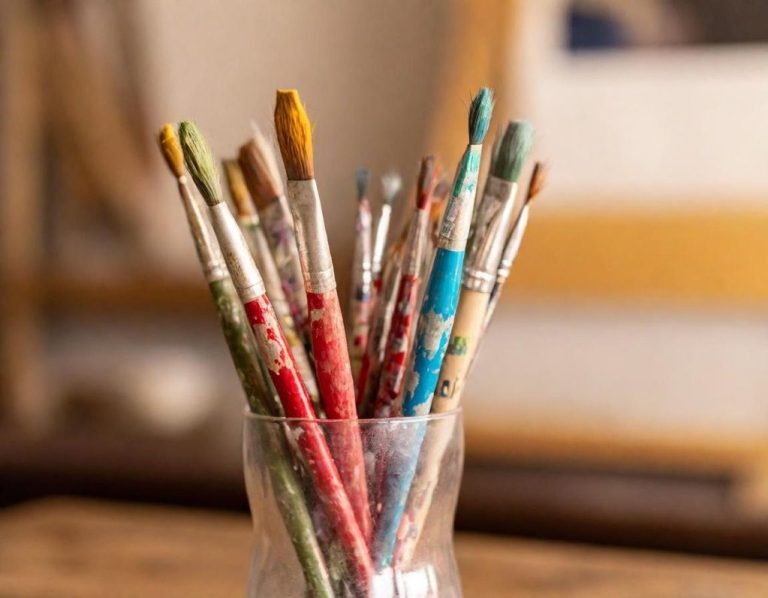
A lack of focus can lead to innovation.
What of those who disdain rigid schedules and watching the clock? The forthcoming book Time Famine explains how unstructured time, daydreaming, and complete absorption in the present enhance creativity and inventiveness. It offers a look at the brain’s default mode network and Mihaly Csikszentmihalyi’s “flow,” two sides of a coin: one allowing us to dream up ideas while the other provides the focus to implement them.
It's nothing new that good ideas are cooked up while we are stirring other pots. Yet we are keen to cajole kids to “focus,” and by all means (including medication), “don’t get distracted.” Concentration has its place, of course. It’s hard to stay productive when you're in what Buddhists first dubbed “monkey mind.” But in defense of distraction, when we get lost in our thoughts, ideas seem to “pop” into our heads.
Why is everyone so relentlessly busy and how did we get here?
We know, against the backdrop of Thorstein Velben’s The Theory of the Leisure Class and Upton Sinclair’s The Jungle, that one of the indicia of social stature a century ago was the luxury to refrain from working. Today, that construct has flipped. Now, it’s being busy that projects status. And that premise permeates our everyday actions and the decisions that define our lives.
“The more of the details of our daily life we can hand over to the effortless custody of automatism, the more our higher powers of mind will be set free . . . .”
―William James